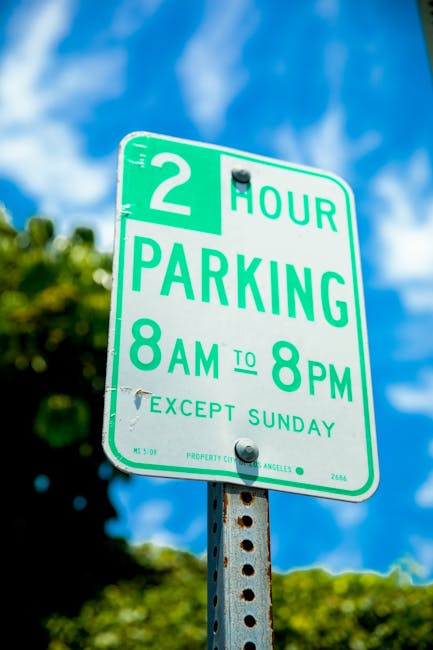
Hounslow Council rules for parking permits during removals
If you are moving house in Hounslow, parking can become the part of the day that causes the most stress. Vans need space. Furniture needs a clear run from door to lorry. Neighbours still need access. And if you get the parking wrong, a smooth move can turn into a very expensive, very awkward morning. This guide explains the Hounslow Council rules for parking permits during removals in plain English, so you can plan ahead, avoid penalties, and keep your removal team moving without unnecessary drama.
Truth be told, most moving problems on the day are not about lifting boxes. They are about logistics. A missed suspension notice, a van parked across a driveway, or a permit that does not cover the right bay can undo all the good planning you did before 7am. Let's make sure that does not happen.
Along the way, we will cover what the rules mean in practice, how removals parking usually works, what mistakes people make, and how to build a calmer moving-day plan. If you are also comparing storage options while you move, you may want to look at our pricing and quotes, or read more about our insurance and safety approach and health and safety policy before you book anything.
Table of Contents
- Why Hounslow Council rules for parking permits during removals matters
- How Hounslow Council rules for parking permits during removals works
- Key benefits and practical advantages
- Who this is for and when it makes sense
- Step-by-step guidance
- Expert tips for better results
- Common mistakes to avoid
- Tools, resources and recommendations
- Law, compliance, standards, or best practice
- Options, methods, or comparison table
- Case study or real-world example
- Practical checklist
- Conclusion
- Frequently asked questions
Why Hounslow Council rules for parking permits during removals Matters
Moving day has enough moving parts already. Parking rules matter because the vehicle is often the first thing that can derail the whole operation. A removal van that cannot stop close to the property means longer carry times, extra labour, more risk of damage, and a lot more frustration for everyone involved.
In Hounslow, as in most London boroughs, the key issue is not just whether there is a space. It is whether the space can legally be used by the removal vehicle for the time needed. That may involve a residents' bay, a pay-and-display bay, a loading area, a suspended bay, or a temporary parking dispensation depending on the location and circumstances. The exact arrangement can vary by street, time, and local restrictions, which is why people often underestimate it until they are standing outside with a sofa and nowhere to put the van.
Why does that matter so much? Because parking rules are one of those things that feel minor until they are not. A ticket, a clamp risk, or a complaint from a neighbour can slow down the move and create avoidable costs. And to be fair, nobody wants the first memory of a new home to be the sight of a warning notice tucked under a wiper blade.
Practical takeaway: the best removals plan is not just about what time the van arrives. It is about where the van can legally wait, load, and finish the job without interruption.
How Hounslow Council rules for parking permits during removals Works
The basic idea is straightforward: if your removal vehicle needs to use a controlled parking space in Hounslow, you must make sure the parking arrangement is permitted for that situation. In practice, that can mean different things depending on the street layout and the local restrictions in force on the day.
Some moves can be handled using a standard parking bay if the time limit is sufficient and the bay is unrestricted for the duration. Others need specific permission, such as a temporary bay suspension or a permit-like arrangement for a removal vehicle. You should never assume that a large van can simply pull up and stay there as long as it likes. London streets do not tend to be that forgiving, do they?
The removals process usually works best when you think in three layers:
- Check the street restrictions first. Look at yellow lines, resident permit zones, loading rules, time limits, and any suspension notices.
- Match the vehicle to the space. A small van may fit one arrangement, while a long-wheelbase vehicle may need a different plan entirely.
- Confirm the timing. A permit or dispensation, where used, often only applies during a set period. The clock matters.
It is also worth separating parking permission from moving logistics. A permit can make it lawful to stop, but it does not guarantee space outside your door. On a busy street in Hounslow, especially around school run times or after-work periods, that space can disappear fast. The van driver may need to arrive slightly earlier than planned and wait legally nearby while the team gets ready.
If you are organising a bigger move and need overflow space, flexible storage can reduce the pressure on the parking window. Our about us page explains more about how we work, and our terms and conditions set out the basics of booking, access, and service expectations.
Key Benefits and Practical Advantages
Getting the parking side right is not just about avoiding penalties. It makes the whole day feel more controlled, which is worth a lot when you are trying to keep the kettle, keys, and cat all accounted for.
- Less carry distance. The removal team can move items faster and with less physical strain.
- Lower risk of damage. Shorter trips between property and vehicle usually mean fewer knocks, scrapes, and dropped corners.
- Fewer delays. Nobody wants a van circling the block while everyone stands around waiting.
- Better cost control. When loading is efficient, you are less likely to pay for wasted time.
- Reduced neighbour friction. A sensible parking plan is simply more respectful to the street around you.
There is also a quieter benefit: peace of mind. Once the parking is sorted, one major variable is removed from the day. That can make a surprisingly big difference. You may still have a hundred little things to do, but at least the van is where it should be.
For households deciding what to move directly and what to store first, the combination of secure storage and proper parking planning can be a very practical one-two punch. If that sounds useful, take a look at our recycling and sustainability page as well, especially if you are decluttering as part of the move and want to dispose of less along the way.
Who This Is For and When It Makes Sense
This topic matters to more people than you might think. It is not only for people in flats with tight kerb space. In our experience, the parking question comes up in almost every kind of move where the property sits on a controlled or busy street.
- Home movers in controlled parking zones. If the street has resident bays or timed restrictions, you need a plan.
- Flat movers. Apartment blocks often have loading challenges, limited access, or shared courtyards.
- Families moving on weekends. Weekend restrictions and visitor parking can still catch people out.
- People using larger vans or multiple vehicles. Bigger vehicles are less forgiving and need more space to manoeuvre.
- Landlords and letting agents. When coordinating tenancies, it helps to avoid parking disputes and disruption.
- Anyone storing items during a staged move. If you are moving in phases, parking and access both need to work properly.
Sometimes the need is obvious. Sometimes it sneaks up on you. A property may look quiet at 2pm on a Tuesday and then become awkwardly busy by 8am on the moving date. That is the sort of detail people only discover once the boxes are already stacked in the hallway.
If you are still comparing your moving options, our contact us page is the easiest way to ask about availability, access, and how storage can support a removal day that runs tight on parking or timing.
Step-by-Step Guidance
If you want a simple way to handle Hounslow Council rules for parking permits during removals, use this sequence. It is not fancy, but it works.
- Inspect the street before moving day. Check the signs outside your property, not just the ones on the nearest corner. Restrictions can change within a few metres.
- Measure the vehicle requirement. Know whether you are using a small van, luton van, or a larger removal lorry. Space matters.
- Confirm whether loading is allowed. Some places allow short loading only. Others need a formal arrangement.
- Ask about temporary parking arrangements early. If your street needs a permit or suspension, do not leave it until the last minute. Councils and parking teams often need lead time.
- Plan for the arrival window. Give the van a realistic slot, especially if the property is in a dense area where finding space takes a few extra minutes.
- Keep paperwork and confirmation to hand. Have any approval, reference number, or instructions ready in case a warden or neighbour asks questions.
- Protect access at the property. Clear hallways, protect flooring, and make sure front doors can stay open safely for loading.
- Have a backup plan. If the first bay is taken, decide in advance where the driver should go next.
A small but useful trick: walk the route from the front door to where the van would stop. If you would not want to carry a dining table along it in the rain, the team probably will not either. Simple, but useful.
And yes, keep snacks and water nearby. It sounds trivial, but a long moving morning is much less painful with a decent pause between the chaos.
Expert Tips for Better Results
Here are the things that tend to make the biggest difference, especially on London streets where parking is tight and tempers can get a little thin by mid-morning.
- Start with the street, not the van. First assess the parking environment. Then choose the vehicle size and arrival time.
- Assume demand will be higher than you expect. School hours, delivery traffic, and commuters can all affect access.
- Keep the load sequence logical. Put the first-out items nearest the door and the last-out items deeper inside.
- Use one person to manage the outside. A single point of contact for the driver saves a lot of shouting back and forth.
- Photograph the parking signs. This is a useful record if you need to double-check restrictions later.
- Leave a buffer. Even 15 to 20 minutes of slack can save the day when traffic is slower than expected.
One of the best pieces of advice I can give is this: do not build a removals plan that depends on perfect conditions. Perfect conditions rarely show up. A delivery van arrives. A neighbour opens a gate. Someone else has parked in the bay you were hoping for. Build for real life, not the ideal version of it.
If you need to keep belongings safe while the move is split across days, it may be sensible to combine parking planning with storage planning. That can reduce pressure on the van and stop the whole schedule from becoming one very long, tiring domino chain.
Common Mistakes to Avoid
The same errors come up again and again. None of them are complicated, which is probably why they are so easy to make.
- Assuming a removal van is automatically exempt. It is not. Rules still apply.
- Ignoring the closest signs. The bay directly outside your house may have different rules from the one just up the street.
- Leaving the check until moving day. That usually ends badly, or at least noisily.
- Not accounting for vehicle size. A bigger vehicle may need more than "a space". It may need the right kind of space.
- Forgetting about neighbour access. Blocking driveways or shared routes can create conflict very quickly.
- Assuming the permit solves everything. It helps, but you still need enough room to load safely and legally.
A small human truth: moving day is the day when the neatest people suddenly have nowhere to put the ladder, the hoover, or the houseplant they forgot existed. Parking problems only make that worse. So, yes, sort the street first.
Tools, Resources and Recommendations
You do not need a complicated toolkit to handle this properly, but a few practical items help a lot.
- A printed moving schedule. Paper still works when your phone is buried under tape and bubble wrap.
- A tape measure. Useful for checking bay length, vehicle space, and whether a sofa will make the turn.
- A phone camera. Take pictures of signs, restrictions, and any temporary arrangements.
- Marker pens and labels. Good labelling keeps loading orderly and reduces time spent hunting for essentials.
- Blankets, straps, and floor protection. These are not glamorous, but they save time and damage.
- A simple contact list. Driver, property contact, estate agent, and anyone holding keys.
If you are choosing between service levels, don't just compare the headline price. Look at access, security, insurance cover, and the flexibility you get if the moving date shifts. For a broader view of how we handle account security and payments, see our payment and security information. If you have questions about how we handle personal data during enquiries, our privacy policy is also available.
One last thing: if sustainability matters to you during a move, plan for reuse and responsible disposal. It is easy to throw away more than you intended once the bins start filling up. A calmer, cleaner move is usually the better move.
Law, Compliance, Standards, or Best Practice
Parking during removals sits at the crossroads of local parking controls, highway rules, and practical moving etiquette. The exact requirements in Hounslow can depend on the street, the type of bay, any suspension in place, and the nature of the vehicle. Because of that, it is wise to treat this as a compliance issue, not just a convenience issue.
Good practice usually means three things: check restrictions in advance, use the correct permission route where required, and avoid assuming that loading automatically overrides parking controls. That may sound obvious, but many moving-day disputes start because someone assumed "just this once" would be acceptable. Councils rarely see it that way.
From a best-practice point of view, the safest approach is to:
- verify the rules for the exact street and time window,
- keep evidence of any permission or instruction,
- make sure the van does not obstruct junctions, crossings, or driveways,
- and leave enough space for safe loading and unloading.
If you are unsure, it is better to ask early than to improvise late. That is especially true for narrow roads, permit-only areas, or streets where parking enforcement is active throughout the day. A little caution goes a long way.
Options, Methods, or Comparison Table
When people talk about removals parking, they usually mean one of a few different approaches. The right one depends on the street, the vehicle, and how much time you have to load.
| Option | Best for | Advantages | Limitations |
|---|---|---|---|
| Standard on-street bay | Shorter moves with flexible timing | Simple and often convenient | May be time-limited or full |
| Residents' or visitor bay use | Homes in permit zones | Close to the property | Usually needs careful checking |
| Temporary parking suspension or dispensation | Busy streets or larger removals | Can create dedicated access | Often needs advance planning |
| Loading-only approach | Quick, efficient moves | Good for fast turnarounds | Less forgiving if loading takes longer |
| Split move with storage | Moves with access or timing challenges | Reduces pressure on moving day | Requires extra coordination |
In real life, the best option is not always the cheapest or the most obvious. It is the one that fits the street and the schedule without forcing everyone into a stressful rush.
Case Study or Real-World Example
Imagine a family moving from a terraced house in Hounslow on a Friday morning. The property is on a street with limited parking, and the road fills up quickly with commuters and delivery vehicles. The initial plan was to have the removal van arrive at 9:30am and simply "find a space". That is the sort of plan that sounds fine in the kitchen and falls apart on the pavement.
Instead, they checked the road restrictions the day before, realised the nearest bay would not suit the size of the van for the full loading window, and adjusted the plan. They arranged for the van to arrive slightly earlier, kept the front hallway clear, and moved two bulky items into storage the night before. The result was boring in the best way possible: no frantic parking search, no rush, no arguments, and no one carrying a wardrobe three streets away.
That kind of outcome is common when the parking issue is handled early. Not glamorous. Just effective. And honestly, that is what most people want on moving day.
Practical Checklist
Use this checklist to keep your move on track.
- Check the exact parking signs outside the property.
- Confirm whether the street has resident bays, loading restrictions, or suspension notices.
- Measure the size of the removal vehicle in advance.
- Plan the arrival time with a buffer.
- Keep confirmation details or reference numbers easy to find.
- Inform the driver about access issues, narrow corners, or gate codes.
- Protect floors and clear the route inside the property.
- Arrange storage if the move needs to happen in stages.
- Have a backup bay or nearby legal stop in mind.
- Double-check the plan the evening before moving day.
That last one matters more than people think. Things change overnight. A neighbour parks where you expected space. A skip appears. A permit sign gets missed in the dark. One quick check can save a lot of running around in the morning mist.
Conclusion
Hounslow Council rules for parking permits during removals are really about one thing: making sure your removal vehicle can stop, load, and leave without creating problems for you or anyone else. The more tightly controlled the street, the more important the planning becomes. And if you get that planning right, the rest of the move tends to feel much easier.
So start with the street, check the restrictions, allow time for the vehicle, and build in a backup. Keep it simple, keep it legal, and keep it human. Moving house is stressful enough without adding a parking fine to the pile.
If you are still working out the logistics of your move, you can review our pricing and quotes, explore our recycling and sustainability guidance, or reach out through our contact us page for straightforward help with your next step.
Get a free quote today and see how much you can save.
Frequently Asked Questions
Do I need a parking permit for removals in Hounslow?
Sometimes, yes. It depends on the street restrictions, the type of bay, and how long the removal vehicle needs to stop. In some areas a standard space may be fine, while in others you may need temporary permission or a suspension-style arrangement.
Can a removal van use resident permit bays?
Not automatically. A removal van still has to follow the rules that apply to the bay and the street. If the bay is restricted or time-limited, you need to check whether your loading window fits those conditions.
How far in advance should I sort parking for moving day?
As early as you can. If your street needs special arrangements, leaving it until the last minute is risky. A few days of lead time is often much safer than a same-day scramble.
What happens if the van cannot park outside my house?
The team may need to stop farther away and carry items a longer distance. That can increase time, effort, and the risk of delay. It is not ideal, but it can be managed if you have a backup plan.
Are loading bays always allowed for removals?
No. Some loading bays have strict time limits or specific uses. A van may be able to load there, but only if the rules for that bay allow it at the time you need.
Do I need to tell the council if I am moving?
If your move involves special parking permission, then yes, you may need to follow the relevant local process. The exact route depends on the street and the type of restriction, so check early rather than assuming.
What if another car is parked where the van should go?
That is one of the reasons to have a backup option. If the first space is taken, the driver may need to use an alternative legal stop nearby. It is better to decide that before moving day than during a tense five-minute stand-off.
Can I just use my own driveway for removals?
If you have a driveway, that can be helpful, but it still depends on whether the van can access it safely and whether the space is large enough. Tight turns and low branches can cause more trouble than people expect.
Does parking permission cover the full day?
Not necessarily. Any permission, dispensation, or temporary arrangement usually applies only to a specific period. You need to know the exact start and end times and plan loading accordingly.
What is the biggest mistake people make with removals parking?
Assuming it will sort itself out on the day. It rarely does. The most reliable moves are the ones where the parking is checked, confirmed, and matched to the size of the vehicle before the van turns up.
How can storage help with parking problems during a move?
Storage can reduce the number of items that need to be moved in one go, which shortens loading time and eases pressure on parking. That is especially useful if your new home is not ready, or if access is awkward.
Where can I find more information about your policies and support?
You can review our terms and conditions, privacy policy, and health and safety policy if you want a clearer picture of how we work and what you can expect.