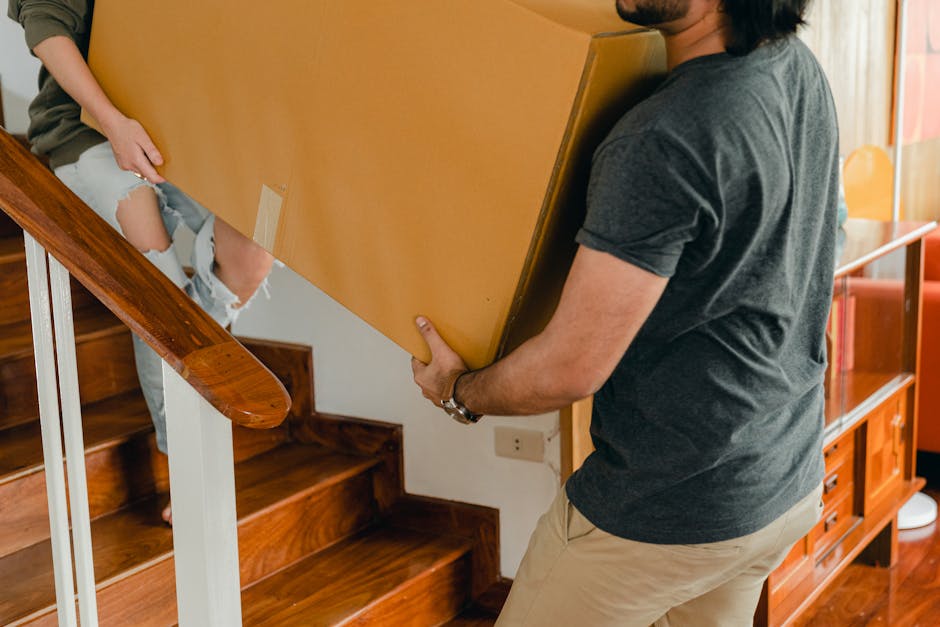
Insider tips moving into Hounslow Isleworth estate with removals
Moving into the Hounslow Isleworth estate can feel straightforward on paper and surprisingly busy in real life. One minute you are measuring a sofa, the next you are trying to work out whether the hallway will take a double wardrobe without a fight. If you want insider tips moving into Hounslow Isleworth estate with removals, the real win is not just getting from A to B. It is making the move calm, efficient, and far less expensive in time, hassle, and unnecessary trips.
This guide brings together practical, local-minded advice for anyone planning a move into or around the estate. You will find how the process usually works, where the hidden delays tend to appear, which services make sense for different types of homes, and the small decisions that save a lot of stress on moving day. Truth be told, the best moves often look boring from the outside. That is usually a good sign.
If you are comparing options as well as planning the move, it may help to look at removals services alongside packing services, or even removals and storage if your dates do not line up neatly.
Table of Contents
- Why this move matters
- How the moving process works
- Key benefits and practical advantages
- Who this is for and when it makes sense
- Step-by-step guidance
- Expert tips for better results
- Common mistakes to avoid
- Tools, resources and recommendations
- Law, compliance, standards and best practice
- Options and comparison table
- Case study or real-world example
- Practical checklist
- Conclusion
- Frequently asked questions
Why Insider tips moving into Hounslow Isleworth estate with removals Matters
Moving into an estate is different from moving into a typical single-house street. Access can be tighter, parking can be awkward, and there may be shared entrances, lifts, loading restrictions, or neighbour considerations that change the whole feel of the day. That is why insider tips matter. They help you plan around real conditions rather than ideal ones.
In the Hounslow and Isleworth area, many moves involve a mix of flats, maisonettes, terraced homes, and estate properties with communal spaces. That means a normal removal plan can fail if it ignores stair widths, service entrances, controlled parking, or the timing of loading bays. A properly planned move reduces the chance of last-minute panic, damaged furniture, and those awkward moments when a van is parked two streets away and everyone is carrying boxes by hand.
There is another reason this topic matters: the move-in window often feels shorter than expected. Keys arrive late. Cleaning overruns. One room is ready while another is still full of paint smell. Little things stack up. A good removals setup gives you a buffer, and that buffer is worth its weight in sleep.
Expert summary: The smoother estate move is usually the one that plans for access, timing, and storage before the first box is loaded. That is the simple truth, and it saves a lot of grief.
How Insider tips moving into Hounslow Isleworth estate with removals Works
The process usually begins with a walk-through of what you are moving, followed by a practical assessment of access and timing. A good removals plan is not only about the number of boxes. It is also about whether the route from van to front door is easy, whether anything heavy needs dismantling, and whether you need a staggered move because of completion times or key collection delays.
For a typical estate move, the flow looks like this:
- Take stock of every item by room, not just by category.
- Measure the awkward pieces first: sofa, bed frame, wardrobe, fridge, and any desk that looks innocent but turns out to be a beast.
- Check access details: parking, lift use, stairwells, doors, and any restrictions on vehicle size or unloading time.
- Decide whether you need small removals, a full house move, or a more flexible man and van option.
- Separate fragile, valuable, and essential items so they are not buried in the general load.
- Choose whether any items should go into secure storage before or after move-in.
The useful part is this: the more clearly you define the load, the less guesswork there is on the day. A removal team can work far faster when every box is labelled and every obstacle is known in advance. It sounds obvious, but you would be amazed how often it is skipped. Moving is chaotic enough without discovering the mattress does not fit through the landing corner.
If you are moving from a flat or maisonette, it is worth checking whether the property suits flat removals planning rather than a generic house move. And if you are still living between addresses, a short stop at short-term storage can make the whole transition much cleaner.
Key Benefits and Practical Advantages
Getting the move right gives you more than a tidy van schedule. It changes the entire first week in the new place. Instead of unpacking around piles of uncertainty, you can actually settle in.
- Less damage risk: Proper packing and route planning reduce knocks, scrapes, and the classic "how did that happen?" furniture chip.
- Faster unloading: If boxes are labelled by room, the team can place things where they belong instead of creating a mountain in the lounge.
- Less stress on move day: Fewer decisions at the wrong moment means a calmer experience.
- Better use of storage: You can hold back spare furniture, seasonal items, or non-essentials in self storage or household storage.
- Smarter costs: A well-planned move often saves money by reducing return trips and wasted time.
There is also a mental benefit. A move into a new estate can feel like a fresh start, but only if the logistics do not swallow the mood. The first cup of tea in the new kitchen should taste like relief, not defeat. One small but practical win can change the whole day.
For people moving furniture that is not ready to live in the new home yet, furniture storage is often a sensible middle ground. Business users may prefer office storage or business storage if the move involves equipment or archived material.
Who This Is For and When It Makes Sense
This advice is useful if you are:
- moving into an estate flat or maisonette and need access planning;
- moving from a house into a managed block with tighter rules;
- downsizing and need to store surplus furniture;
- arriving from outside the local area and do not know the road layout yet;
- trying to coordinate cleaning, key handover, and removal timing in one day;
- moving as a student, tenant, family, or small business owner.
It also makes sense when you are not fully ready to move everything at once. Some people only need short-term storage for a few weeks. Others are looking at a longer gap between properties and need long-term storage. If you are a student or relocating for training, student storage can be the simpler, less cluttered choice.
A small note from experience: people often assume "I do not have much stuff" until the hallway starts filling with lamp stands, cables, bedding, random drawers, and that one box of books that somehow weighs as much as a radiator. Happens all the time.
Step-by-Step Guidance
1. Confirm the moving date and access window
Before you book anything, get clarity on completion timing, key collection, lift access, and any estate rules that might affect unloading. If the property management or landlord has restrictions, know them early. It avoids awkward calls later and gives your movers a realistic schedule.
2. Sort items into keep, store, donate, and move now
Do not wait until the night before. Separate items into what is essential for immediate use, what can be stored, and what should not travel at all. This is especially helpful if the new place is smaller or you are still deciding where furniture will go.
3. Measure the difficult items
Measure doorways, hall corners, bed frames, wardrobes, and appliances. If something is borderline, disassemble it in advance or make sure your removals team is prepared. A few centimetres can be the difference between a smooth carry and a frustrating standstill in the stairwell.
4. Pack by room and priority
Keep kitchen, bedding, toiletries, and charging cables easy to reach. You do not want to search for your kettle after an exhausting day. Label boxes clearly on more than one side, because boxes do not always arrive facing the right way. Annoying, but true.
5. Choose the right moving support
For a full property move, house removals may be the best fit. If it is a smaller or more flexible move, local removals or man and van can be more practical. When you need packing help too, pairing the job with packing services can save a surprising amount of time.
6. Build a first-night box
This one is worth doing properly. Put in tea bags, mugs, toilet roll, chargers, medications, scissors, basic tools, snacks, and a change of clothes. When the moving day ends at 8:30 p.m. and you are standing among boxes, this box becomes a tiny miracle.
7. Unpack in the right order
Start with sleeping arrangements, then the kitchen essentials, then cleaning and clothing. The rest can wait. Nobody needs to mount a full bookcase before they have found the shower curtain.
Expert Tips for Better Results
Here is where the quiet advantages live. These are the practical things experienced movers tend to think about before everyone else does.
- Label by destination, not just content: "Bedroom 2 - winter clothes" is more useful than "miscellaneous."
- Protect stairwells and floors: In shared buildings, good movers often use protection to reduce scuffs and complaints.
- Take photos of cable setups: Especially for TVs, desks, and routers. Future-you will be grateful.
- Keep screws and fittings together: Bag them, label them, tape them to the item if needed.
- Plan for parking like it matters: Because it does. Poor parking can unravel the best move plan fast.
- Reserve space for the essentials: The first evening should not feel like camping in a cardboard cave.
If you are moving from a larger property into the estate, you might want a phased transition. Move essentials first, then bring in the extra furniture once the layout makes sense. That is often where removals and storage becomes the smart bridge rather than an extra cost. Not glamorous, but very effective.
One more thing: if you are moving office items, records, or equipment rather than household furniture, it is usually better to treat the job as a specialist move and consider office removals or document storage for anything sensitive or bulky. Different move, different logic.
Common Mistakes to Avoid
Most moving problems are avoidable. That is the frustrating part and the reassuring part at once.
- Leaving packing too late: This causes rushed decisions, poor labelling, and breakages.
- Ignoring access constraints: A van may fit the move, but the building may not fit the van parking plan.
- Overfilling boxes: Heavy boxes are harder to carry and more likely to split. Books and crockery are the usual culprits.
- Forgetting communal etiquette: Estate moves can affect neighbours. Keep noise and blocking to a minimum where possible.
- Skipping storage options: If the new place is smaller than expected, trying to force everything in is rarely a good idea.
- Not checking insurance and safety details: Understand what is covered, what is not, and how items should be packed.
There is also the classic mistake of assuming one person can "just sort it." Sometimes they can. Usually they cannot. And then the afternoon becomes a relay race with too many boxes and not enough plan.
Tools, Resources and Recommendations
You do not need fancy equipment, but a few simple tools make a big difference.
- Strong marker pens: For room labels and fragile notes.
- Measuring tape: For doors, furniture, and awkward corridors.
- Bubble wrap or paper wrap: For glass, ceramics, and delicate items.
- Zip bags: Ideal for fittings, remotes, and loose cables.
- Basic toolkit: Screwdrivers, Allen keys, and a small hammer are often enough.
- Trolley or sack barrow: Handy if the move involves heavier items and longer internal walks.
For service choices, think in terms of the job, not the label. A compact move into the estate may be best handled by small removals. A larger family move may need the fuller scope of house removals. If the timing is awkward, mobile self storage can be a neat compromise when you want collection and storage without extra handling stress.
And if price is part of your decision, it is sensible to review pricing and quotes early rather than later. It helps you compare what is included, what is optional, and where the hidden extras usually sit.
Law, Compliance, Standards and Best Practice
Moving home is not usually a heavily regulated event in itself, but there are still practical standards and duties worth taking seriously. Safe lifting, careful packing, and respecting building access rules are all part of good practice. In shared estates, you should also be mindful of communal areas, fire exits, and any instructions from building management or landlords.
If you are booking a removals provider, check that they are clear about insurance and safety arrangements. Do not assume. Ask how items are protected, how damage is handled, and what happens if access is not as expected. A transparent provider should be happy to explain this in plain English. It is not being difficult; it is being sensible.
For your own side, make sure fragile items are packed properly, heavy items are not overloaded into one box, and pathways in the property are kept clear. That matters for both safety and efficiency. If you are moving in wet weather, which is fairly common in London, remember that floors can get slippery fast. A small mat by the entrance can save a headache.
It is also worth reading the site's health and safety policy, insurance and safety information, and terms and conditions before you commit. That keeps expectations clear and avoids confusion later.
Options, Methods, or Comparison Table
Different moves call for different setups. Here is a simple comparison to help you decide what feels right.
| Option | Best for | Why it helps | Watch out for |
|---|---|---|---|
| Man and van | Smaller moves, flexible timing | Quick, practical, and often easier for short local jobs | May not suit larger households or bulky loads |
| House removals | Full household moves | Better for larger furniture, multiple rooms, and fuller planning | Needs more lead time and clearer access details |
| Flat removals | Estates, apartments, and maisonettes | Built around stairs, lifts, and tighter access | Parking and shared spaces still need careful handling |
| Removals and storage | Moves with a gap between dates | Keeps your move workable when timing does not line up | Useful only if you actually need the buffer |
| Short-term storage | Temporary overflow or staging | Lets you move in stages without overcrowding the new home | Plan retrieval timing so it does not become another job |
Which one is best? That depends on your property size, access, and timescale. Not every move needs the biggest option. Sometimes the smartest choice is the one that keeps things simple.
Case Study or Real-World Example
A typical estate move might look like this. A couple is moving from a two-bedroom flat into a property on the Hounslow Isleworth estate. Their completion time is mid-afternoon, the old flat needs to be handed over the same day, and the new place is ready but not fully cleared. The sofa is large, the bed frame is awkward, and the dining table has sentimental value, which always makes it heavier somehow.
Instead of trying to do everything in one frantic rush, they split the move into two stages. The essentials go in first, along with bedding, kitchen basics, and the furniture that definitely fits. The remaining items are placed into household storage for a short period. Packing is handled in advance, labels are clear, and the removals team knows about the access route before arrival.
The result is not magical. It is just well planned. Unloading is faster, the first night is comfortable, and there is no need to squeeze a spare chair into a room that barely wants the sofa. The next week, once measurements are checked and life has settled a bit, the stored items come in gradually. Much easier. Less drama. Better coffee.
Practical Checklist
Use this checklist in the final days before the move.
- Confirm moving date, key handover time, and access rules.
- Measure large furniture and doorways.
- Book the right service level for your load size.
- Decide what is moving now and what is going into storage.
- Pack a first-night box with essentials.
- Label boxes by room and priority.
- Protect fragile items and separate cables, screws, and fittings.
- Check parking and loading arrangements.
- Review insurance and safety information before moving day.
- Keep walkways clear and plan for wet-weather conditions.
Quick takeaway: The less you leave to chance, the more the move feels like a controlled process instead of a scramble. That is really the difference.
Conclusion
Moving into the Hounslow Isleworth estate does not have to be a stressful blur of boxes, phone calls, and last-minute rearranging. With the right preparation, the right moving support, and a few practical storage choices, the day becomes much easier to manage. The real insider tip is simple: plan for the awkward parts early, not after they have become awkward.
Whether you are handling a full household move, a flat relocation, or a small local move with a few items that need temporary storage, the best results usually come from being calm, clear, and a bit methodical. You do not need perfection. Just a decent plan and the willingness to give yourself a buffer. That alone saves a surprising amount of strain.
Get a free quote today and see how much you can save.
Frequently Asked Questions
What is the best way to move into the Hounslow Isleworth estate with less stress?
The best way is to plan access, pack early, and choose a removals option that matches your property size and timing. If there is any gap between move-out and move-in, storage can make things much calmer.
Do I need full removals or just a man and van?
If you are moving a smaller load, a man and van can be enough. For a fuller household move, house removals are usually the better fit. The deciding factors are furniture volume, access, and how much help you want on the day.
Should I use storage when moving into an estate property?
Storage is useful if the new place is not ready for everything, or if you want to stage the move in parts. Short-term storage works well for temporary gaps, while long-term storage suits items you will not need soon.
How early should I start packing?
As early as you reasonably can. Even a slow, steady start a week or two before the move helps more than a frantic last-day sprint. Start with off-season items, books, and anything you do not use every day.
What should I keep in a first-night box?
Keep essentials like chargers, toiletries, tea or coffee, toilet roll, scissors, a basic toolkit, medication, bedding, and a change of clothes. If you can make tea quickly, the whole day feels less harsh.
Is flat removals planning different from house removals?
Yes. Flat removals often need more attention to stairs, lifts, parking, and communal access. Even if the distance is short, the logistics can be more complicated than a house move.
How do I avoid damage to furniture during the move?
Measure awkward items, protect corners and surfaces, dismantle large pieces if needed, and make sure items are wrapped properly. Clear access routes also reduce the chances of knocks and scrapes.
Can I move just a few items instead of everything?
Absolutely. Many people only need small removals for a few key items, or a mixed approach where some belongings go to storage and others move straight in.
What if my move-in date and move-out date do not match?
That is a common reason people use removals and storage. It gives you breathing room and stops the move from becoming a rushed, same-day squeeze.
Are packing services worth it?
They can be, especially if you are short on time, moving valuable items, or simply do not want to spend evenings staring at a mountain of boxes. Packing services often reduce stress and speed up the overall process.
How do I know whether a local removals service is enough?
If your move is nearby, your load is moderate, and access is manageable, local removals may be enough. If the estate has tighter access or more delicate timing, a more tailored removals setup could be better.
Where can I find information about safety and payment before booking?
It is sensible to review the provider's safety and payment pages first, along with their terms. That gives you a clearer picture of what is included, how items are handled, and what to expect before the moving day begins.